


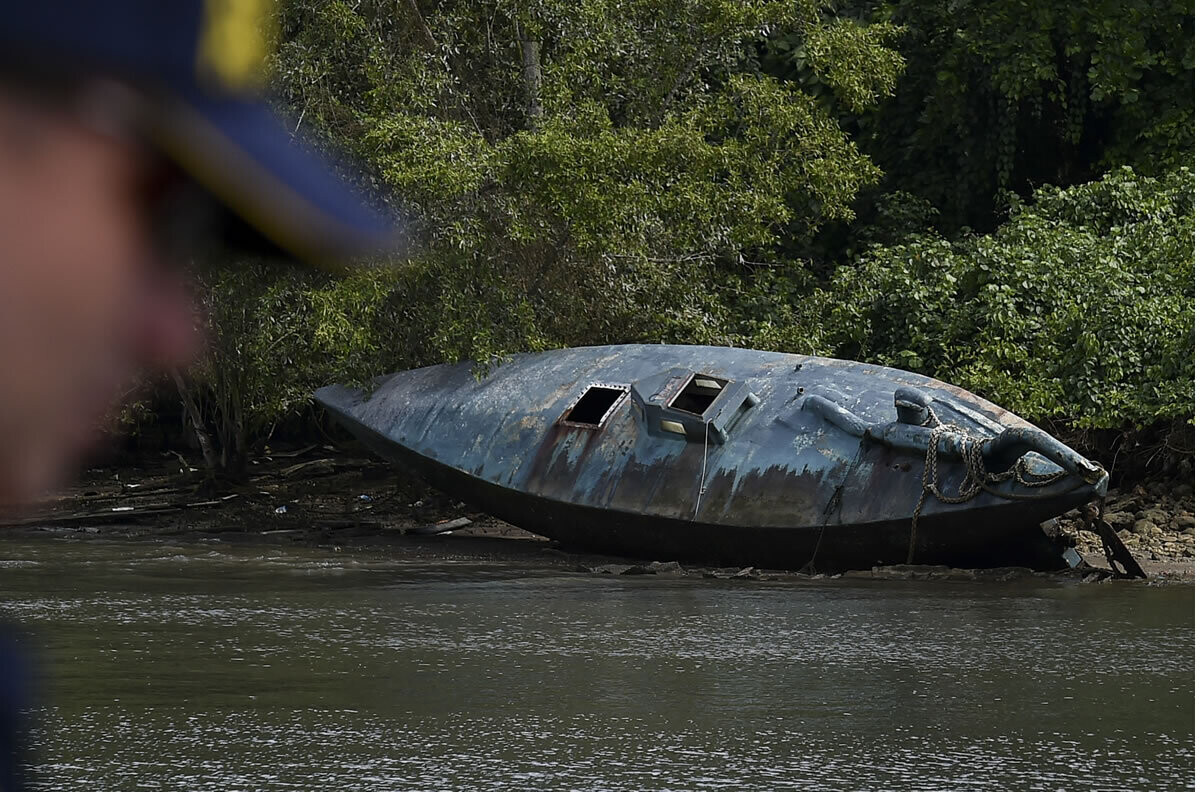
Recent reports from international organizations warn that highly dangerous substances such as fentanyl, methamphetamine, and so-called "pink cocaine" have ceased to be merely a transit issue and have also become a phenomenon of production, consumption, and criminal financing in several Caribbean countries.
The geostrategic location of the Caribbean, with its thousands of kilometers of coastline, numerous ports, and hard-to-control maritime transit points, has transformed it into a key corridor between major synthetic drug production centers and the main destination markets in Europe and the United States.
Experts agree that the response requires a comprehensive approach, combining effective regional cooperation, strengthening of security and customs agencies, intelligence sharing, and a direct attack on the illicit financing circuits that sustain these criminal economies.
The threat of synthetic drugs in the Caribbean is no longer a marginal phenomenon but a structural challenge that jeopardizes the stability, security, and governability of the entire region.
"This situation reached a critical point in mid-December 2025, when the United States formally reclassified illicit fentanyl and its main chemical precursors as weapons of mass destruction, considering that their impact exceeds that of a traditional narcotic and constitutes a direct threat to national security."
The limited capacity of many island states to monitor the entry of chemical precursors and dismantle clandestine laboratories has facilitated the establishment of increasingly sophisticated criminal economies. These networks are increasingly relying on digital assets and cryptocurrencies to move funds, making it difficult to detect illicit financial operations in countries with weak regulatory frameworks or limited technical capabilities.
The phenomenon is aggravated by political instability and corruption in some Latin American countries with access to the Caribbean Sea, where extensive coastlines function as porous borders for drug trafficking.
Criminal organizations have also found in the Caribbean a favorable environment to form alliances with local gangs that operate as the territorial arm of transnational structures. The participation of foreign mafias, including organizations of Asian origin, in the trafficking of ketamine and other designer drugs has also been detected.
The social impact is profound: consumption and addiction levels are rising, especially among young people and vulnerable sectors, public health problems are worsening, and forced migration due to insecurity is accelerating.
The Dominican Republic stands out as one of the key nodes of this network. Official reports indicate that the country has consolidated itself as a transit platform for synthetic drugs to the United States and as a money laundering center. This is compounded by the proliferation of fake online pharmacies with servers based in the country, from which adulterated medications—including fentanyl—are sold globally, with payments channeled through cryptocurrencies.
Methamphetamine and pink cocaine show a sustained expansion, with record seizures in countries like Costa Rica and an increase in shipments from Central America to the Caribbean.